There is a strange habit in digital banking: accessibility is often treated as a final layer. A few contrast fixes. A larger font option. A quick audit before release. A line in the compliance checklist. But for customers, accessibility is not a checklist. There is a difference between banking independently and needing someone else to help with basic financial tasks.
July 27, 2026
.png)
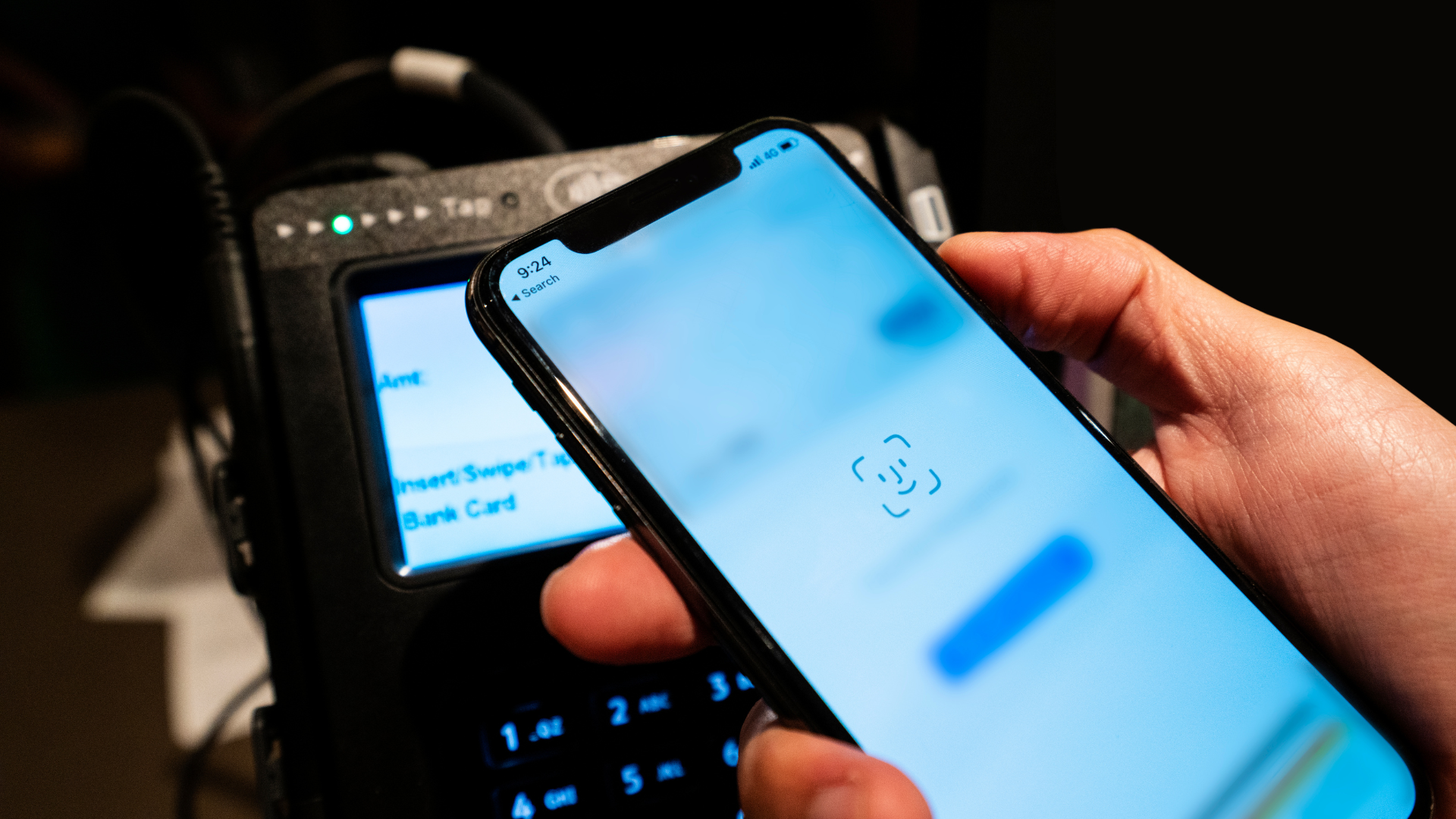
Nowadays, the emergence of online wallet apps has revolutionized the way we manage our finances and navigate our daily lives. Beyond just a means of conducting financial transactions, digital wallets have evolved into comprehensive lifestyle management tools, seamlessly integrating various aspects of our routines into one convenient platform.

According to Forrester's research, low-code development platforms demonstrate a significant speed advantage, being 10 times faster compared to conventional platforms. There is no doubt that low-code/no-code solutions in banking are the future. But how to choose the best solution among the multitude of available options?

Knowing the customer's opinion is obvious to businesses today. In fact, the clients are the only and most important guarantors of the survival and development of the company, and their satisfaction is one of the key factors indicating the desire or reluctance to continue cooperation.

The rise of technology and changing customer behaviour have shaped the banking landscape in recent years. These challenges, and the accelerating pace of change, are forcing the industry to redefine its approach to customer relationship management in a new digital reality.

Today, the financial sector remains one of the most popular targets for hackers. At Finanteq, we know that the highest security level in mobile banking apps is a must. We know how to write code and what security features to use to make banking applications unbreakable.