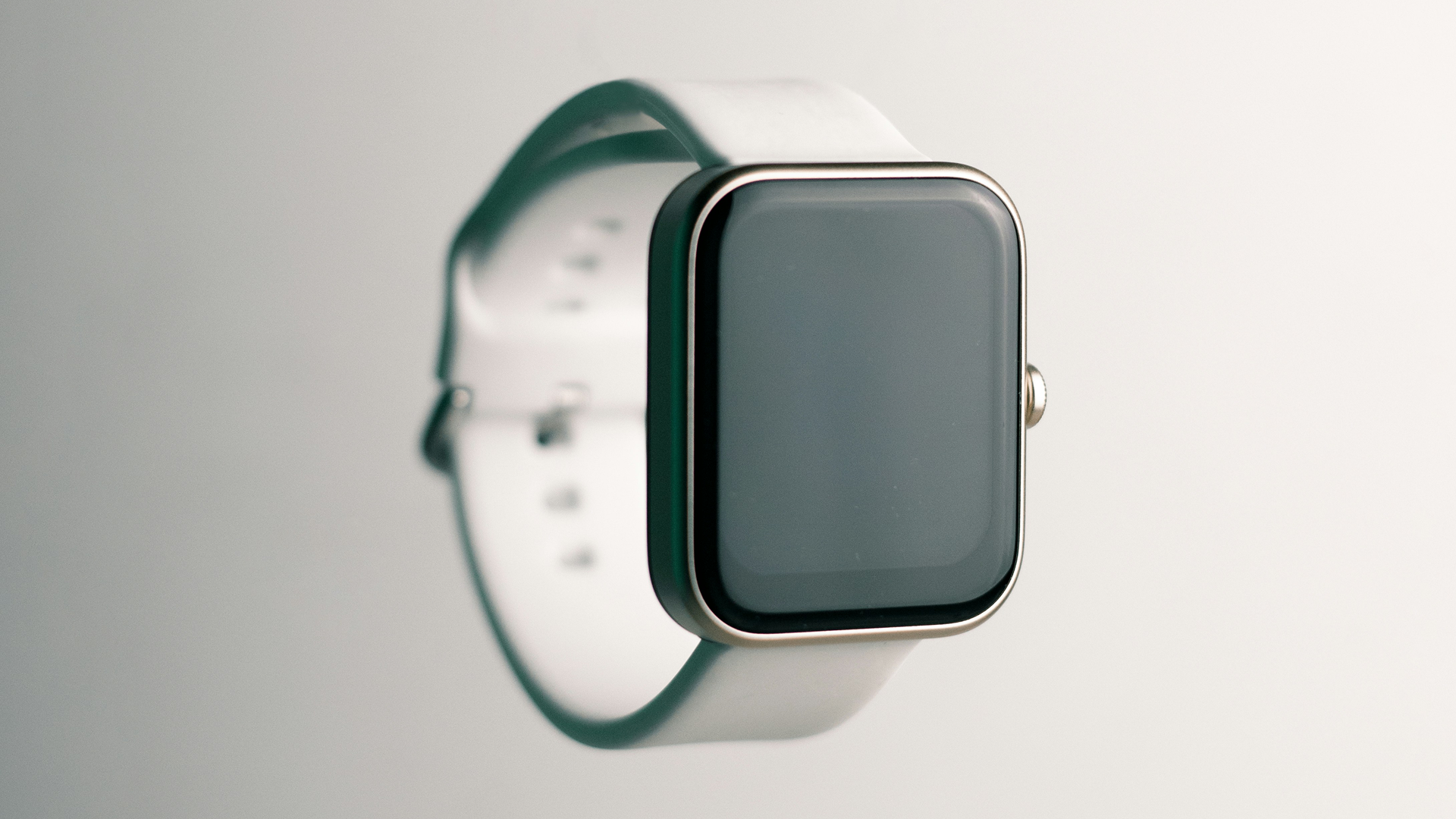
Rapid evolution of financial technology has changed how we interact with our banks. Mobile apps, contactless payments, one click transactions - convenience has become the key driver of innovation. Now, the spotlight is shifting to an even smaller, more accessible device - the smartwatch.
As these wearables become more and more sophisticated, the question arises: could smartwatches become the next big platform for banking?
Wearables – what’s that?
“Wearables” refer to electronic devices designed to be worn on the body, often incorporating sensors, wireless connectivity, and interactive displays. Common examples include fitness trackers, augmented reality glasses, and, of course, smartwatches. These gadgets are not just about telling time or tracking steps - they can monitor health metrics, make calls, receive notifications, and, increasingly, handle financial transactions. The appeal lies in their ability to blend technology seamlessly into daily life, making them an always-available personal assistant on your wrist.
Wearables market forecasts
According to Statista, there are 454.69 million smartwatch users worldwide in 2024, marking a 41% increase from the 323.99 million users in 2023.Multiple market research firms project strong growth for the smartwatch segment specifically:
- Fortune Business Insights reports that the global smartwatch market size was valued at USD 33.58 billion in 2024. It is projected to grow from USD 38.53 billion in 2025 to USD 105.20 billion by 2032, exhibiting a CAGR of 15.43% during the forecast period.
- Statista states that revenue in the smartwatches market is projected to reach USD 32.05 billion in 2025 and show an annual growth rate (CAGR 2025-2029) of 6.07%, resulting in a projected market volume of USD 40.57 billion by 2029.
Forecasts indicate a sizeable and expanding installed base of wrist-worn devices over the next five–ten years — a foundation that makes smartwatch banking commercially attractive.
Smartwatch banking – benefits and opportunities
Smartwatch banking isn't just "phone banking on a smaller screen". It brings distinct value propositions that can change when and how customers interact with money. Key added values include:
- Instant payments and tokenized security: Modern smartwatches support contactless payments via NFC and digital wallets. These systems use device-specific tokens (Device Account Numbers / tokenization) and per-transaction cryptograms so the real card number is never exposed to the merchant, reducing fraud risk while enabling one-tap payments from the wrist. This makes micro-transactions, transit passes, and in-store payments fast and secure.
- Always-on, contextual nudges and real-time engagement: Because watches are worn continuously, banks can push short, timely notifications - e.g., instant fraud alerts with one-tap lock/unlock, confirmations for cardless ATM withdrawals, or spending nudges right after a transaction. Context-aware features (location, time-of-day, recent activity) let banks trigger highly relevant offers or safety warnings without the user opening an app. IDC and other trackers showing rising wrist adoption strengthen the case that these touchpoints will reach a broad audience.
- Faster, simpler authentication: Smartwatches can participate in multi-factor authentication flows (paired-device proximity, passcode on-watch, biometric signals on the paired phone or watch-specific secure elements). On many platforms, authorization flows are deliberately short - a double-press and a confirmation - to let users approve payments and transfers quickly while keeping strong cryptographic protections in place.
- Native, bite-sized banking experiences: The UI for a watch encourages very focused, single-purpose interactions: check balance, accept/decline a push-payment request, view a single recent transaction, or launch a quick card lock. That minimalism reduces cognitive load and can increase the likelihood of immediate, task-oriented engagement (e.g., approving a recurring payment, completing a biometric-enabled P2P transfer).
- Emergency and safety use cases: Watches with health sensors and fall detection can be combined with banking features to enable emergency assistance (e.g., instant release of a pre-authorized card, temporary payment limits for caregiving, or location-based emergency cash access workflows) — use cases banks could design for high-value customer segments or insurance partnerships.
- Operational advantages for banks: Watches enable lower-latency authentication (faster approvals), reduce reliance on SMS OTPs (which are slower and less secure), and offer additional telemetry (device posture, proximity) that can be used to improve fraud detection models.
Implementation notes and caveats: delivering these benefits requires banks to invest not only in a trimmed-down UX but also in secure provisioning (tokenization and secure element or HCE handling), push/notification infrastructure, careful battery and connectivity-aware design (so operations work offline or with intermittent connectivity), and clear privacy controls for customers. Industry documentation on how device tokens and cryptograms are generated and used - for example, Apple’s card-provisioning and payment-authorization guidance - shows the engineering patterns banks must adopt to keep smartwatch payments secure and seamless.
Possible problems
Despite the promise, smartwatch banking faces challenges. Screen size limits how much information can be displayed at once, which can frustrate users for complex tasks. Security remains a concern. While biometric features and tokenization help, wearable devices can be lost or stolen, and data transmission over wireless networks carries risks. Regulatory compliance, particularly in relation to data protection, adds another layer of complexity. Additionally, not all customers own or are comfortable using wearables, meaning banks must balance innovation with accessibility.
FINANTEQ Solutions
With FINANTEQ’s Smartwatch Starter Kit, your bank can quickly join the smartwatch banking revolution, offering customers seamless banking at their fingertips - or rather, their wrist.FINANTEQ offers the service of building a custom banking app for wearables. Our experts will help you create the desired functionalities and advise on how to integrate smartwatch banking into your current lineup. With our know-how, you will provide your customers with an excellent, valuable product they will love.Interested? Leave your contact details and our representatives will reach out to you as soon as possible.
Conclusions
Smartwatches are steadily evolving from convenience accessories to powerful personal tools. While they may not fully replace smartphones for banking in the near future, their role as a supplementary channel is set to grow. For tech-savvy consumers, the ability to manage money with just a glance and a tap could become as normal as checking the time. The future of banking might not be entirely on your wrist — but it will certainly be closer than ever before.