There is a strange habit in digital banking: accessibility is often treated as a final layer. A few contrast fixes. A larger font option. A quick audit before release. A line in the compliance checklist. But for customers, accessibility is not a checklist. There is a difference between banking independently and needing someone else to help with basic financial tasks.
July 27, 2026

Finanteq Solutions
Pocket Branch, a digital branch for banks, enables bank advisors to support the customer and sell through a video, audio or text chat. Throughout the recent years digital banking has become a main touchpoint for many customers, ultimately replacing a physical branch for many of them. Nonetheless, digital channels still are not as good at selling as the branches are.
April 2, 2019
.png)
Financial technologies (fintech) have revolutionized the way we manage money, making banking and financial transactions more accessible and efficient than ever before. However, with this advancement comes an increased risk of cyber threats and attacks, making fintech security a critical concern.

Finanteq Solutions
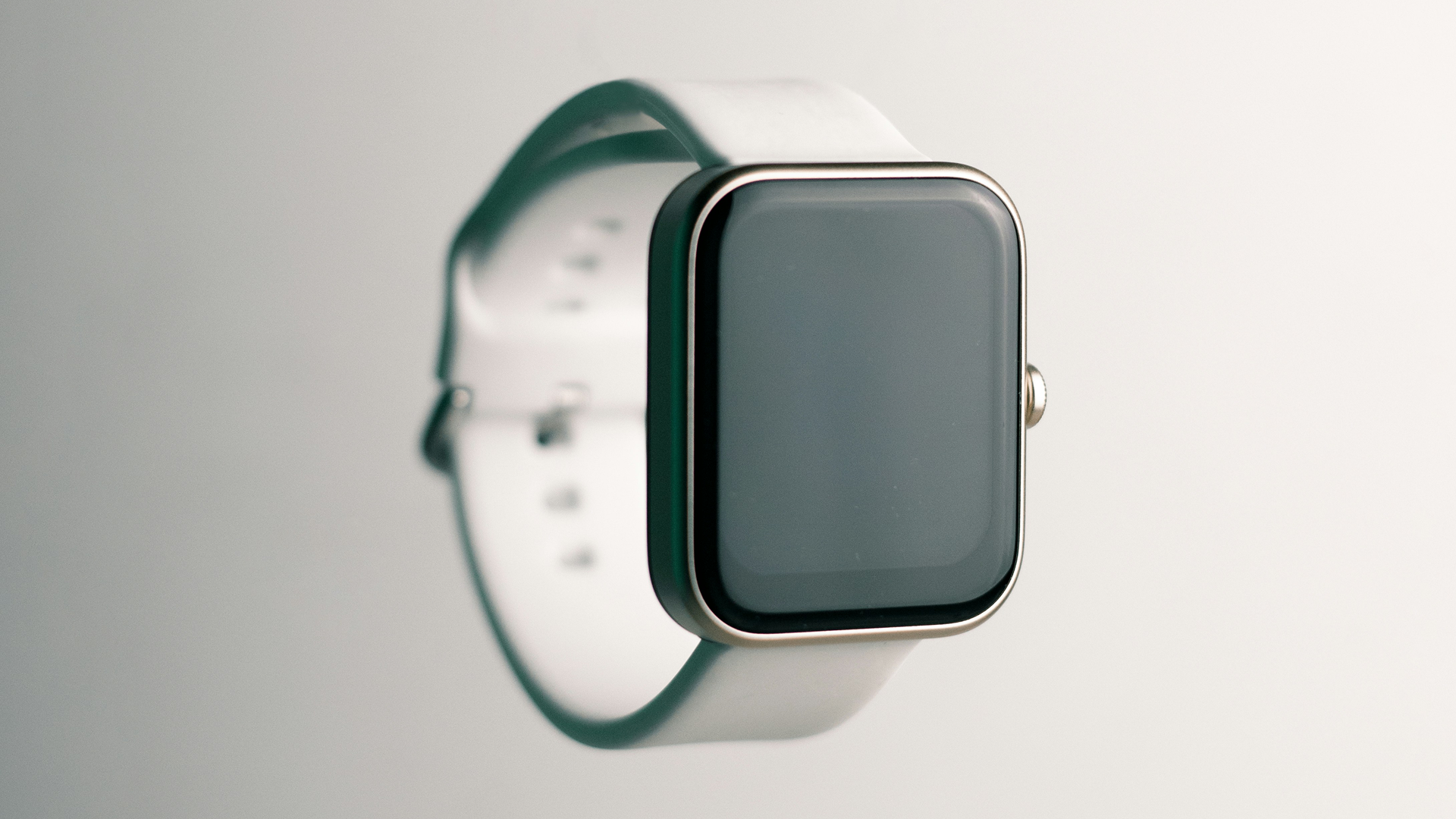
Rapid evolution of financial technology has changed how we interact with our banks. Mobile apps, contactless payments, one click transactions - convenience has become the key driver of innovation. Now, the spotlight is shifting to an even smaller, more accessible device - the smartwatch.

Think about the last time you made a big financial decision. Perhaps it was applying for a mortgage, exploring investment options, or assisting a family member with loan navigation. Chances are, you didn’t want a chatbot or a static webpage; instead, you wanted a real conversation. Someone who could listen, ask the right questions, and guide you through the complexity.

Back in the day, an employee with digital skills was referred to as a “digital worker”. More recently, the market has redefined that term and described it as a category of software robots that work alongside human coworkers to complete particular tasks or procedures.