In our previous article, we discussed what VAS are. Now, we will compare three core models for implementing them.
As the range of products and value-added services expands, building a coherent service ecosystem is becoming increasingly important. VAS implementation in a banking app should therefore be treated as a long-term project, with its own development roadmap, KPIs and clearly defined business responsibility.
Choosing the right model is therefore key to ensuring the effective development of the offering over the long term.
This decision has a significant impact on initial capital expenditure (CAPEX), operating expenditure (OPEX), the flexibility to develop the offering and the bank’s ability to respond to changing market trends.
What implementation models are available to banks, and what business and technological implications are associated with choosing each of them?
What Value-Added Services Can Be Found in Polish Banks?
Let us take a slightly different approach and look at the VAS offering in the Polish market.
To check which VAS are available in mobile apps, we analysed the portfolios of 13 banks operating in Poland. We included 15 service categories, ranging from public transport tickets and parking to insurance, marketplaces and government bonds.
The most common categories are parking, mobile top-ups and insurance: each is offered by 10 of the 13 banks analysed. Public transport tickets are available in nine banks, while motorway-related services are available in eight.
Other solutions, such as gift cards, vouchers, games and digital content, appear in fewer offerings. Marketplaces and car trading are among the least represented categories in the analysis.
The analysed offerings include both everyday services and more specialised solutions. However, not every category will be equally important for every bank. The choice should be based on customer needs and the bank’s app development strategy.

Source: FINANTEQ’s own analysis of the offerings of 13 banks; as of 10 October 2026.
The catalogue of VAS is very broad, although the offerings of banks in the Polish market are quite similar. Revolut, which was not included in the above analysis, is expanding its offering in an interesting direction. A distinctive feature of the Lithuanian bank’s app is its travel-related VAS, such as the ability to collect air miles, book hotels, purchase priority boarding or access airport lounges.
What conclusions can we draw from this? As more services are added, the way partners are integrated, individual solutions are maintained and changes are implemented efficiently becomes increasingly important. A broad range of services means a broad portfolio of partners. VAS cover different areas, and individual services are provided by different entities. This further increases the complexity of cooperation and integration management. Therefore, deciding which VAS to make available to customers is just as important as determining how to implement and develop them.
Core Models for Implementing Value-Added Services
Direct Integrations (In-House)
Under this model, the bank independently sources partners offering value-added services, negotiates the terms of cooperation and is responsible for the technical integration. It also manages supplier relationships, the implementation process and service maintenance.

Advantages
The bank gains full control over partner selection, the scope of integration and how services are presented in the app. It can adapt the solution to its own architecture, security standards and business requirements.
Challenges
New services may require separate agreements, integration work and procurement procedures. As the number of providers increases, maintenance becomes more complex, and implementing new services may take longer.
When is this model worth considering?
Primarily when the bank needs a high degree of control over a specific service and its integration is closely linked to the core banking product or represents an important element that differentiates the offering.
An In-House VAS Platform
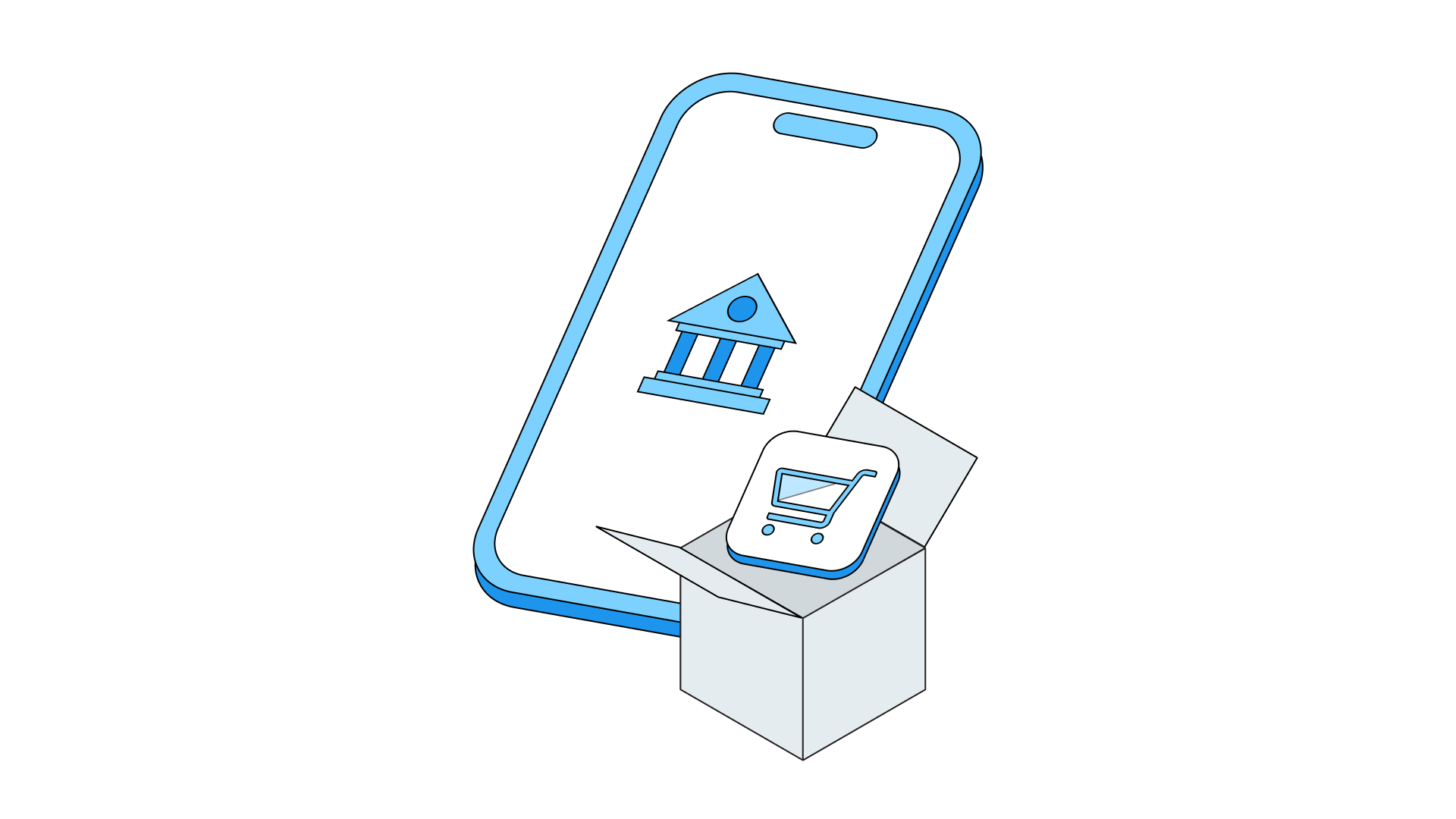
An alternative to independent integrations is to build an in-house platform that serves as a shared technology layer for multiple value-added services. The bank independently sources partners, defines integration standards and develops a solution that enables additional providers to be connected.
Advantages
Standardising integrations makes it possible to reuse technology components and reduces the need to build each service from scratch. The bank can also provide a consistent user experience regardless of the service category.
Challenges
Building and maintaining the platform requires investment, technical expertise and a long-term development plan. The bank must also encourage providers to join the platform. Its cost-effectiveness depends on the scale of the ecosystem, the number of providers and the potential to reuse the infrastructure.
When is this model worth considering?
This model is suitable when the bank plans to develop a broad service ecosystem, retain control over its architecture and standards, and has the resources to build and maintain its own platform.
An External VAS Aggregator
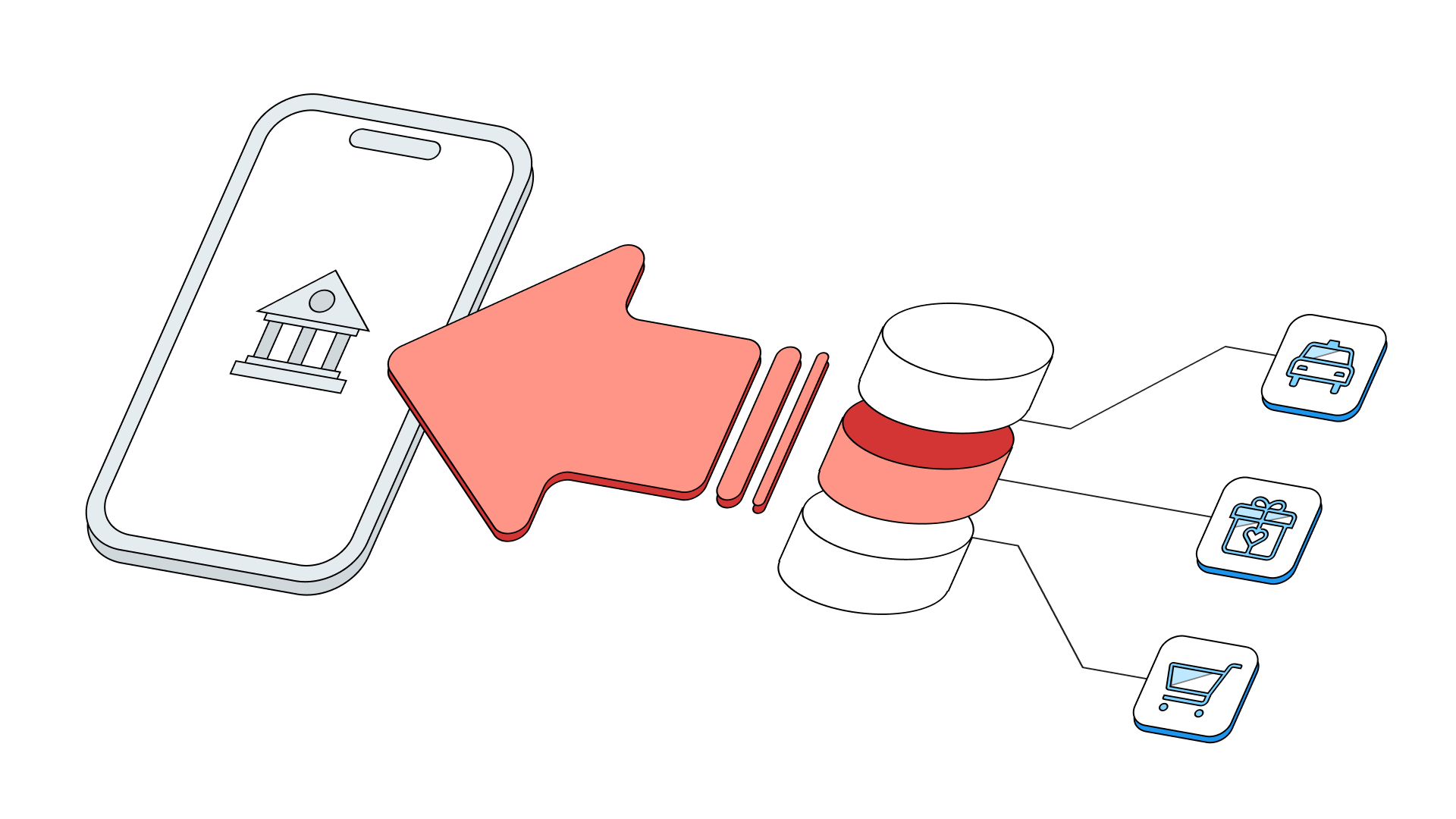
Under this model, the bank uses an existing platform provided by a specialised partner. The aggregator develops its own ecosystem of providers and supplies the technology layer, enabling additional services to be integrated without the need to build separate connections to each partner.
Advantages
A single integration with the platform can provide access to multiple services from its catalogue. The bank reduces its own technology workload, benefits from existing integrations and expands its portfolio without having to build the entire infrastructure.
Depending on the cooperation model, the aggregator may also take over some tasks related to sourcing partners, settlements and operational support.
Challenges
The bank is partly dependent on the platform’s capabilities, the available service catalogue and the terms of cooperation. Before choosing an aggregator, the bank should check the configuration options, settlement rules, the responsibilities of each party, and how security and regulatory compliance are ensured.
When is this model worth considering?
This model is worth choosing when the bank wants to expand its offering quickly across multiple service categories, test customer interest and develop its portfolio without bearing the full cost of building its own platform.
When choosing an implementation model, it is also worth considering how changes to services are handled. For categories such as public transport tickets and parking payments, local rules and the range of available features may vary. It is therefore important to establish who is responsible for updating integrations and how much involvement this requires from the bank’s teams.
Comparing the Models: CAPEX, OPEX and Development Opportunities
The differences between the models concern not only how services are integrated, but also the cost structure, the scope of the bank’s responsibilities and the opportunities to further develop the offering. It is worth analysing them in terms of both initial capital expenditure (CAPEX) and operating expenditure (OPEX).
Qualitative and quantitative comparison
Which VAS Implementation Model Should Banks Choose?
The choice of model depends on the bank’s business priorities, technological capabilities and willingness to build its own ecosystem. Direct integrations provide full control over services, an in-house platform enables the bank to establish and develop its own standards, while an external aggregator provides access to existing infrastructure and partner offerings.
When choosing a model, the bank should consider not only the initial cost, but also maintenance costs, the pace at which the offering can be developed, available resources and the scope of responsibility the bank wants to retain.
For banks that want to develop a broad VAS portfolio without building the entire ecosystem from scratch, an external aggregation platform is a practical solution. It enables them to focus on selecting services for customers and developing the product, while benefiting from existing infrastructure and the technology partner’s experience.
If you are considering implementing value-added services in your organisation, explore the capabilities of FINANTEQ SuperWallet. Book a demo.